How Altitude Affects Air Conditioning
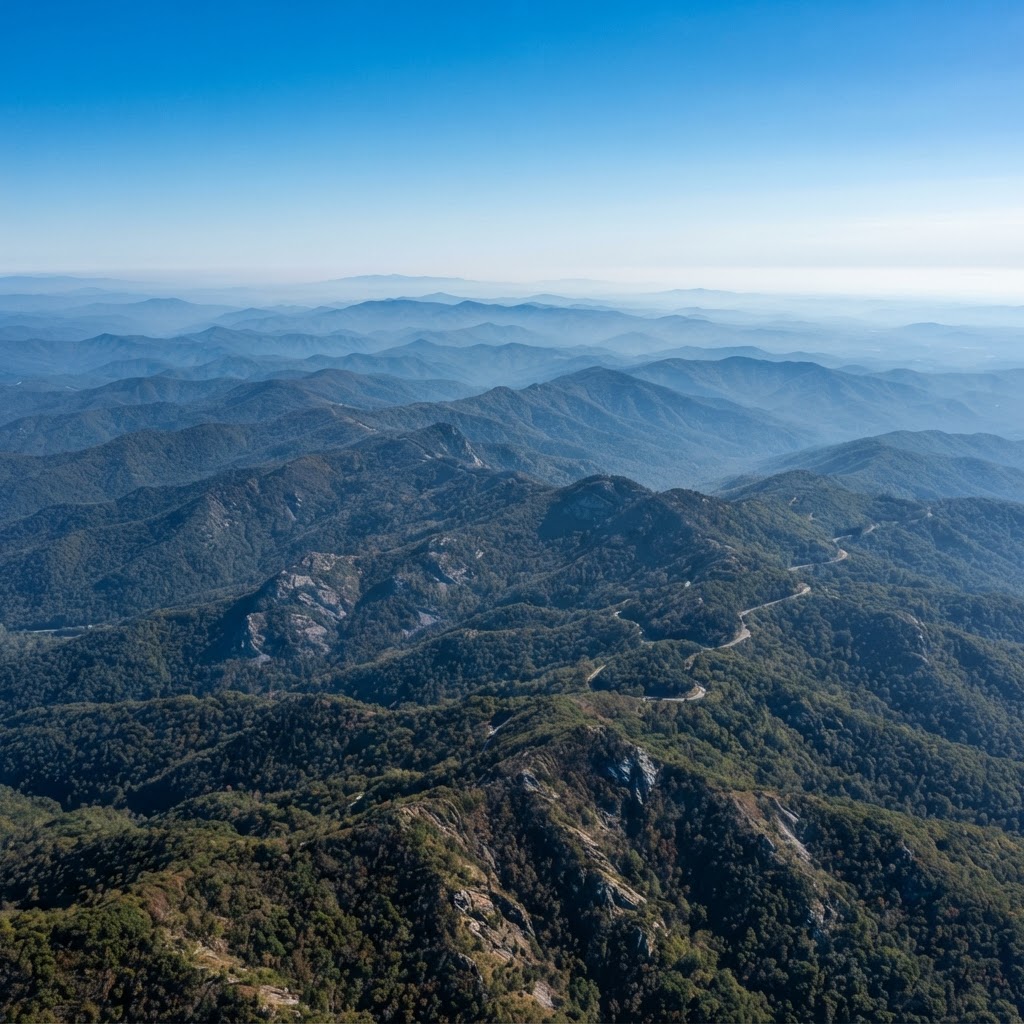
Boone sits at over 3,300 feet, and some High Country communities are even higher. If you've ever wondered why your air conditioning seems to work differently here than at the coast, altitude is a major factor. Understanding how elevation affects AC performance can help you make better decisions about equipment, maintenance, and comfort.
Thinner Air, Reduced Cooling Capacity
At Boone's elevation, air density is roughly 10-12% lower than at sea level. This thinner air affects your AC in two key ways:
Reduced airflow: Your AC's blower moves air by volume, not mass. Thinner air means less mass (and less heat) is moved per minute. This reduces the system's effective cooling capacity.
Lower heat transfer: Air conditioning works by transferring heat from indoor air to outdoor air. With less dense air, fewer air molecules are available to absorb and carry heat, reducing the efficiency of both the evaporator and condenser coils.
Equipment Sizing at Altitude
Because of reduced air density, HVAC equipment rated at sea level may underperform at Boone's elevation. Professional installers account for this by:
- Adjusting capacity calculations for altitude
- Increasing blower speed or duct size to compensate for thinner air
- Selecting equipment with enough reserve capacity for mountain conditions
This is why it's important to work with a local HVAC company that understands High Country conditions. An oversized or undersized system won't keep you comfortable — and may cost more to operate. Our team sizes every HVAC replacement specifically for Boone's altitude and climate.
Faster Evaporation, Drier Air
At higher altitude, water evaporates more quickly due to lower atmospheric pressure. This means:
- Your AC removes humidity faster — which is good for comfort but can over-dry your home
- Condensate drains run more, so keep them clear to prevent backups
- You may need a humidifier in winter to counteract dry mountain air
UV Exposure and Equipment Wear
High altitude means less atmosphere to filter UV radiation. UV degrades rubber and plastic components faster — seals, gaskets, and wire insulation on outdoor units may wear out sooner than at lower elevations. Regular maintenance catches these issues before they cause failures.
Temperature Swings Stress Equipment
Boone's mountain climate brings dramatic temperature swings — 40-degree mornings and 75-degree afternoons are common in spring and fall. Your HVAC system may switch from heating to cooling in a single day, stressing components and controls. This makes annual maintenance even more critical for mountain homes.
Trust a Local Expert
National HVAC chains may not understand altitude's impact on cooling performance. Our veteran-owned team has served Boone and the High Country for years — we know how altitude, humidity, and temperature swings affect your equipment. For AC service that accounts for mountain conditions, call (828) 434-6587 or schedule service online.

